
What to eat on your period to relieve symptoms
While research is still in its early stages, some studies suggest that dietary changes may help reduce period symptoms.
In some cases, over-the-counter (OTC) medications can help control period symptoms such as bloating and pain. But a person may wish to take other steps to relieve symptoms and support their overall health during menstruation.
Some evidence suggests that specific foods may help alleviate certain period symptoms. According to the Office on Women’s Health, about 90%Trusted Source of individuals experience premenstrual symptoms, such as:
- cramping
- period pain or dysmenorrhea
- lower back pain
- fatigue
- mood swings
- bloating
- constipation or diarrhea
- headaches
- breast tenderness
- acne
The following are some foods that evidence suggests may ease period-related symptoms.
Fruit and vegetables
While fruit and vegetables are a vital source of nutrients and fiber in anyone’s diet, they may be especially helpful during menstruation.
A 2018 studyTrusted Source of university students in Spain found that vegetarian diets and simply eating more fruits and vegetables corresponded to fewer cramps and reduced menstrual pain.
This was true in several studies the authors discussed, but it did not appear to improve symptoms in people with endometriosis.
Water
Drinking enough water is essential for health, and during menstruation, it can reduce the likelihood of dehydration headaches. It can also stop you from retaining water and bloating.
The Dietary Guidelines for Americans 2015-2020 do not recommendTrusted Source a set daily water intake. However, the United Kingdom’s National Health Service (NHS) recommends drinking 6–8 glasses daily.
Fish and seafood
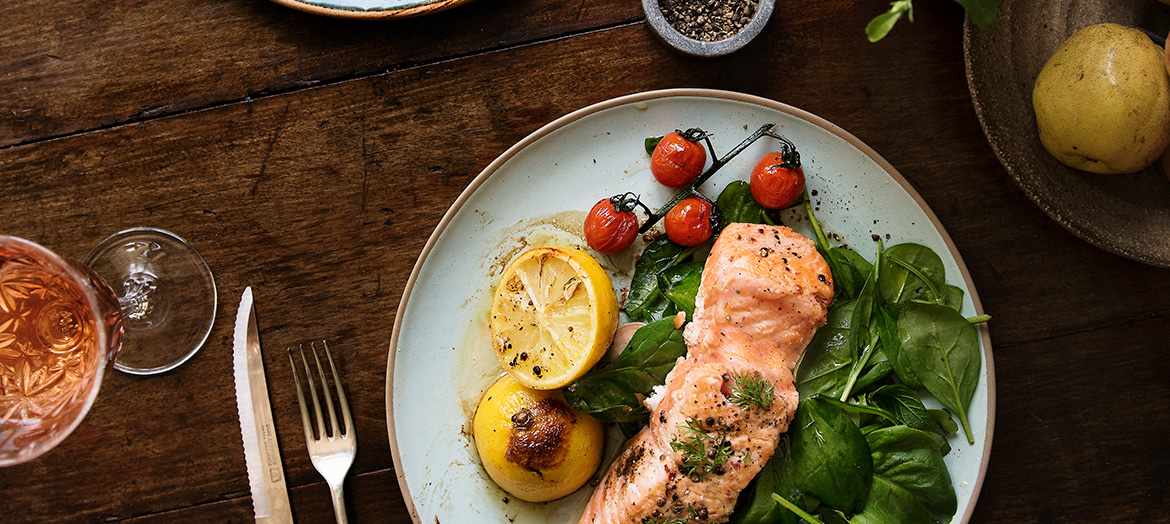
Salmon, tuna, sardines, and oysters are rich sources of omega-3 fatty acids. These nutrients can reduce inflammation in the body and may help tackle period pain.
A study from 2012Trusted Source looked at the effect of omega-3 supplementation on the intensity of menstrual pain in women aged 18–22 years old.
A 2014 study noted that omega-3s may also reduce depression. This may benefit those who experience mood swings and low mood around their period.
Other foods that contain omega-3s include:
- flaxseed and flaxseed oil
- chia seeds
- walnuts
- algal oil
- soybean and canola oil
- fortified foods, including some yogurts, juices, and plant-based milk
Dark chocolate
Dark chocolate is both tasty and a good sourceTrusted Source of iron and magnesium.
Eating enough iron can help prevent iron deficiencies. Menstruation causes iron levels to dip as a person loses blood and can cause anemia in people with very heavy periods. According to the National Institutes of Health (NIH)Trusted Source, people with heavy periods or menorrhagia lose significantly more iron per menstrual cycle than those with “normal menstrual bleeding.”
A 1 ounce serving of dark chocolate contains 3.4 milligrams (mg)Trusted Source of iron. This makes up about 19% of the recommended intake of 18 mgTrusted Source per day for adult females.
Additionally, dark chocolate provides a magnesium boost. According to a 2015 studyTrusted Source, individuals with magnesium deficiencies were more likely to experience severe PMS symptoms.
Lentils and beans
Lentils and beans are another source of iron and are high in protein. Eating enough protein is essential for health, and during menstruation, it may help curb cravings for less healthy options.
Legumes also contain the essential mineral zinc. A study from 2007Trusted Source found that zinc could ease painful period cramps.
Foods to avoid
Just as some foods may ease period symptoms, others may make them worse. These are usually foods that cause inflammation or bloating.
Foods to avoid include:
- highly processed foods, also known as ultra-processed foods
- foods high in sugar
- goods baked using white flour, such as white bread or pasta
- foods that cause gas, such as cauliflower or Brussels sprouts
Additionally, lowering sodium intake can help reduce period-related bloating and weight gain. A 2019 studyTrusted Source noted that increasing sodium intake may make a person more likely to experience bloating. However, it is important to note that this study looked at bloating in general, not period-related bloating.
The American Heart Association indicates that, in general, most people should eat no more than 1,500 mgTrusted Source of sodium a day. Keeping sodium levels below this level can help reduce bloating.
Women should talk to their doctor about serious or irregular periods, as they may have an underlying condition that could benefit from medical treatment.
Source: www.medicalnewstoday.com
Stay in touch